Taiwan’s Surveys and “One Country, Multiple Models”†
Table of Contents
Estimated Reading Time
- 9 min
(Publicdomainpictures.net)
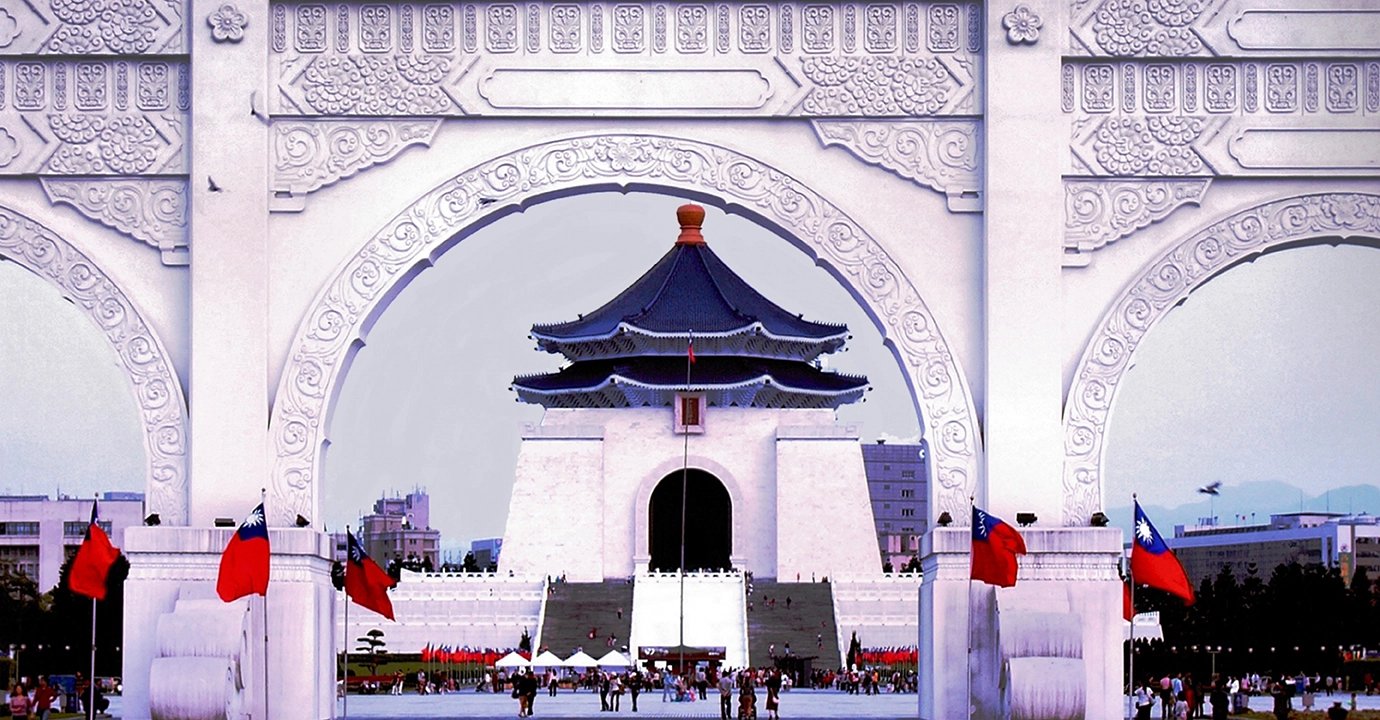
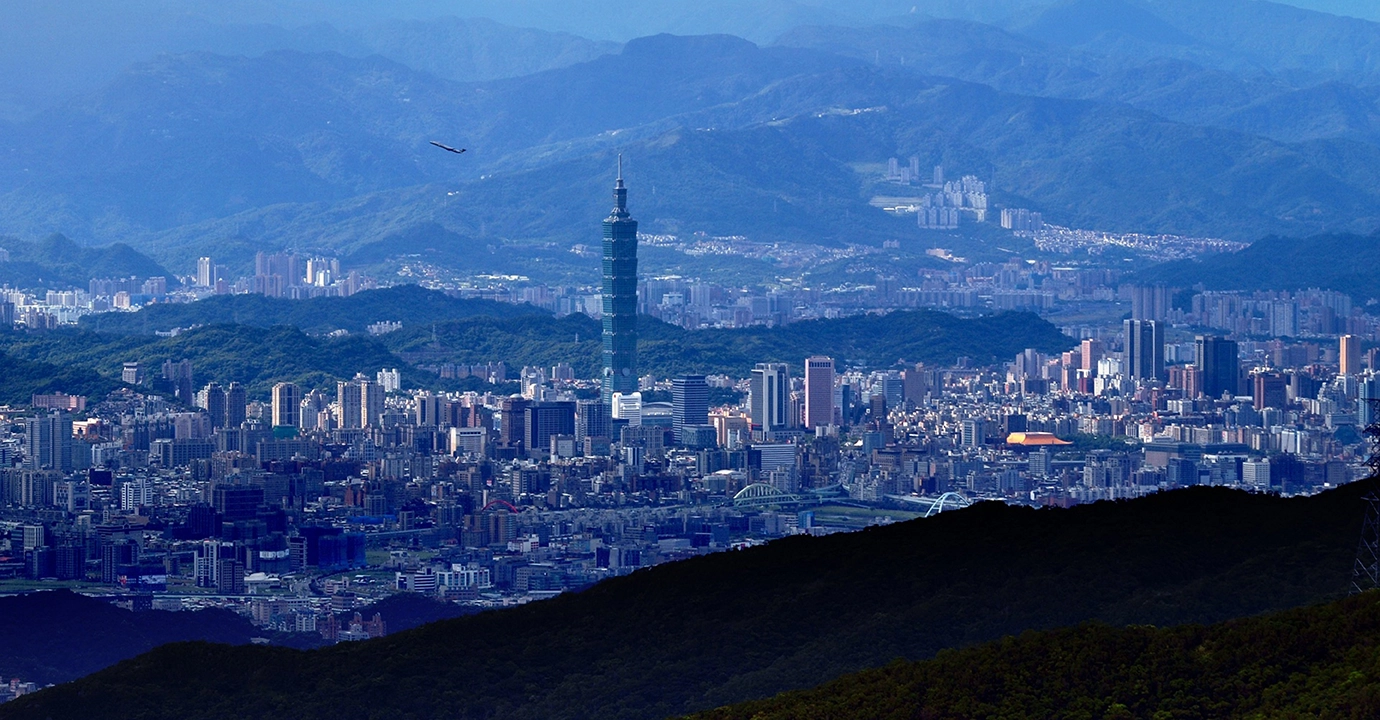
A recent survey conducted in Taiwan has sparked concerns because the results seem to suggest that a significant percentage of people on the island would “accept” “One Country, Two Systems”—the principle that China relied on to resume its sovereignty over Hong Kong and Macao in 1997 and 1999, respectively—in order to avoid potential conflict with China. These survey results deviate from past surveys, which have consistently indicated Taiwan people’s strong resistance to the principle.
A closer look at the question used in the recent survey reveals its lack of clarity. Yet a bigger problem is that the question is based on an assumption: should “peaceful reunification” with China occur, Taiwan’s relationship with mainland China would be “much like the relationships currently shared by Hong Kong, Macao, and mainland China”. Various sources, including a speech delivered by President XI Jinping, suggest that the Taiwan model would be quite different from the models currently practiced in Hong Kong and Macao.
The Survey Question
In April 2026, Formosa, an online newspaper in Taiwan, conducted a survey. The total number of respondents was 1,074. In the survey, the respondents were asked the following question, among others:
The “peaceful reunification” proposed by the Chinese government regarding Taiwan is the “One Country, Two Systems” [model]. If Taiwan were to become a province or special administrative region of the People’s Republic of China—much like the relationships currently shared by Hong Kong, Macao, and mainland China—and there would be no war across the Taiwan Strait in the future, would you be able to accept “peaceful reunification” as proposed by the Chinese government?
[emphasis added]
“According to the survey report, 22.4% of the respondents said the ‘peaceful reunification’ proposal ‘very acceptable’ (5.2%) or ‘fairly acceptable’ (17.2%), […].”
According to the survey report, 22.4% of the respondents said the “peaceful reunification” proposal “very acceptable” (5.2%) or “fairly acceptable” (17.2%), while 68.2% of the respondents said “very unacceptable” (53.4%) or “somewhat unacceptable” (14.8%). 9.3% of the respondents “did not give a clear answer”.
As pointed out by a reader in Taiwan, the long question is compounded with so many details and conditions that the true meaning of the results becomes unclear. The survey question is framed in such a way that respondents might feel that they were asked to choose between “war” and other options. Most people would find any option less drastic than war to be more “acceptable”. The survey results could have been quite different had the respondents been asked directly: “do you accept the ‘One Country, Two Systems’ model?”
With the above context in mind, surveys about Taiwan’s future conducted since 1994 by the Election Study Center of the National Chengchi University in Taiwan are particularly valuable. The six options for respondents to choose from are simple and clear: (1) “unification as soon as possible”; (2) “maintain [the] status quo, move toward unification”; (3) “maintain [the] status quo, decide [the future] at [a] later date”; (4) “maintain [the] status quo indefinitely”; (5) “maintain [the] status quo, move toward independence”, and (6) “independence as soon as possible”. Over the past 20 years, the majority of respondents have expressed their wish to see Taiwan “maintain [the] status quo, decide [the future] at [a] later date”, “maintain [the] status quo indefinitely”, or “maintain [the] status quo, move toward independence”. In fact, in December 2025, only a total of 7.2% respondents chose “unification as soon as possible” (1.1%) or “maintain [the] status quo, move toward unification” (6.1%). The results of the surveys conducted by this center during the first six months of 2026 will be worthy of attention.
Taiwan and “One Country, Two Systems”
A bigger problem revealed by the survey question is that at its core is an assumption: should “peaceful reunification” with China occur, Taiwan’s relationship with mainland China would be based on “One Country, Two Systems” and would be “much like the relationships currently shared by Hong Kong, Macao, and mainland China”. However, various sources suggest that the Taiwan model as perceived by Beijing would be quite different from the models currently in place in Hong Kong and Macao. The most important source that suggests this would be the case is President Xi Jinping himself.
On January 2, 2019, when President Xi delivered his remarks to commemorate the 40th anniversary of the issuance of the “Message to Compatriots in Taiwan”—in which China’s national legislature announced in 1979 the end of the shelling of Kinmen and other islands, turning China’s policy of resolving the Taiwan issue from military confrontation to peaceful means—he stated a few important requirements for the Taiwan model. In his remarks, President Xi explained:
[With respect to] the specific form of implementation of “One Country, Two Systems” in Taiwan, [we] will fully consider Taiwan’s actual circumstances, will fully heed the opinions and suggestions of all sectors across the Taiwan Strait, and will fully take into account the interests and sentiments of our compatriots in Taiwan. Provided that national sovereignty, security, and development interests are ensured, following peaceful reunification, the social system and way of life of our compatriots in Taiwan will be fully respected, and their private property, religious beliefs, and legal rights and interests will be fully safeguarded.
[emphasis added]
As “Taiwan’s actual circumstances” are different from those in Hong Kong and Macao, the Taiwan model is expected to be different. An article published in May 2026 by a Hong Kong-based news outlet, which is generally considered to be pro-Beijing, discusses, among other topics, challenges presented by Taiwan’s unique circumstances. Two examples are illustrative. First, Hong Kong and Macao were British and Portuguese colonies, and after China resumed its sovereignty over these two cities, the armed forces previously responsible for the security of the two colonies returned to their home countries. However, Taiwan’s armed forces will have nowhere to return to. Would these forces be replaced by the People’s Liberation Army and all current Taiwanese soldiers be discharged? Second, unlike their counterparts in pre-handover Hong Kong and Macao, people in Taiwan can directly vote for the top leader of their government. What would happen to the democratic election system currently in place in Taiwan should peaceful reunification with China occur?
The Taiwan Model and Culture
“This leads to a crucial question: what should the unique Taiwan model entail?”
This leads to a crucial question: what should the unique Taiwan model entail? In July 2021, Professor TIAN Feilong, who is currently serving as Vice Dean of the School of Law of Minzu University of China, shared his thoughts by drawing on his extensive experiences in studying “One Country, Two Systems” and advising the Chinese governments on related issues.
Professor Tian first noted the prerequisite stated in President Xi’s remarks, as quoted above: “[p]rovided that national sovereignty, security, and development interests are ensured”. Taking this prerequisite into account, Professor Tian stressed the need to base the Taiwan model on “research and policy design” covering “national security” and “culture”, among other aspects. Specifically, he noted the need to explain to “compatriots in Taiwan the limits, standards, and due processes” used in handling national security issues. After pointing out resistance shown in Hong Kong as reflected in numerous protests occurring a few years ago, he emphasized the need to “deepen the cultural bonds and shared ties between the two sides of the Taiwan Strait” and to “unite the intellectual communities and youth of both sides” to, inter alia, reach consensus on legal principles required for the development of a “cross-strait community with a shared future”.
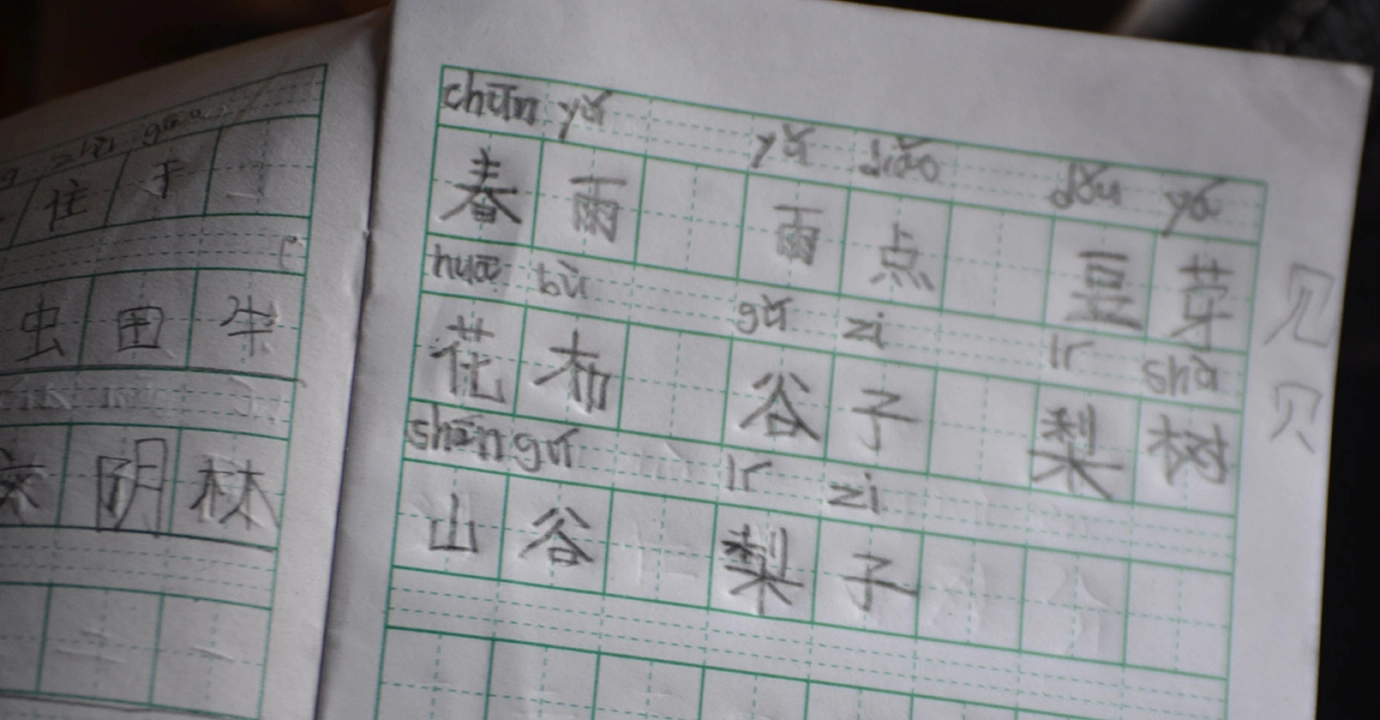
This emphasis on deepening the cultural bonds among Chinese people helps shed light on numerous policy initiatives by Beijing, a significant example of which has been Beijing’s legislative action on the issue of language policies. In September 2020, the General Office of the State Council issued its Opinions on Comprehensively Strengthening the Work Related to Spoken Languages and Written Characters in the New Era, the first paragraph of which states:
Spoken languages and written characters are the most vital tools for communication and vehicles for information within human society, constituting the foundational elements and distinctive hallmarks of culture. The work related to spoken languages and written characters is characterized by its fundamental, comprehensive, societal, and universal nature. [Such work] bears upon […] the preservation of historical and cultural heritage, economic and social development, as well as national unification and ethnic solidarity. It serves as a vital pillar of overall national strength and occupies a significant position and role within the broader framework of the work of the Party and the State.
[emphasis added]
The document sets the goal of promoting the use of the “national common spoken language and written characters”, which, as defined by the Law of the People’s Republic of China on the National Common Spoken Language and Written Characters are, respectively, Putonghua and “standardized Chinese characters”—meaning, characters simplified from traditional characters decades ago by the CCP. The document then identifies various key tasks, including: “deepening exchanges and cooperation in language and culture with the Hong Kong, Macao, and Taiwan regions”; “supporting and facilitating the provision of Putonghua education in Hong Kong and Macao”; and “strengthening research on policies concerning spoken languages and written characters in the Taiwan region”.
All of the above analyses show that, while continuing to focus on its military preparations, China has been taking steps to prepare a unique Taiwan model needed should peaceful unification with the island occur. Unlike people in pre-handover Hong Kong and Macao, who were basically excluded from the negotiations between the Chinese government and the British and Portuguese governments, people in Taiwan will play a bigger role in determining their future. That role requires deep understanding of all options available.
- The citation of this article is: The Editorial Board of SINOTALKS®, Taiwan’s Surveys and “One Country, Multiple Models”, SINOTALKS.COM®, SinoExpress™, May 12, 2026, https://sinotalks.com/sinoexpress/survey-taiwan-model. ↩︎
Related Articles