








Artificial Intelligence



SINOTALKS® In Brief

Foreign Investment and China’s Mobilization for National Defense
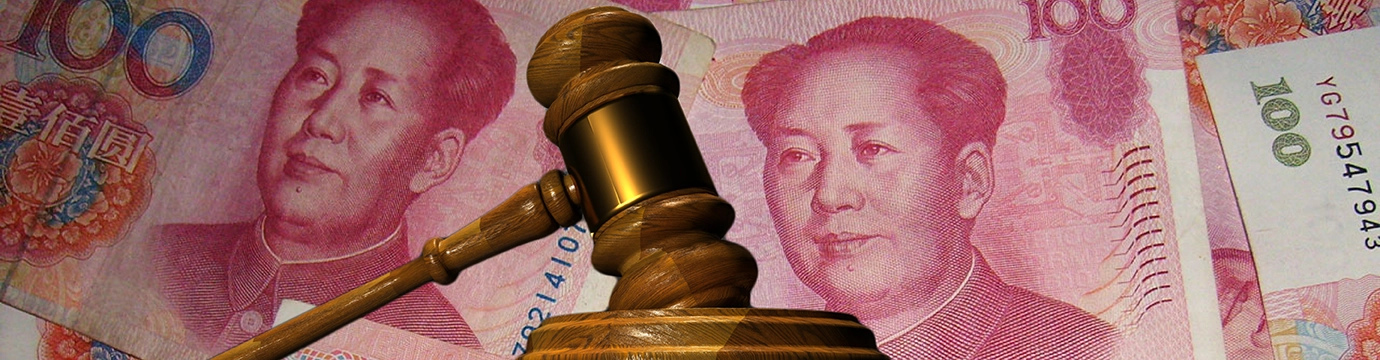
Image: Kai Stachowiak, Background Wallpaper
(Publicdomainpictures.net)
October 1, 2026 marks the 77th anniversary of the establishment of the People’s Republic of China and the coming into effect of the country’s revised National Defense Mobilization Law. This is the first revision of this law since it was promulgated in 2010. In response to concerns that the revision may be a signal of China’s preparation for “a long-term, large-scale war”, a spokesperson for China’s Ministry of National Defense urged concerned parties not to “overinterpret” the revision. This response, however, is unlikely to put foreign investors’ minds at ease. The revised law now authorizes the Chinese government to expropriate “civilian resources” under broadly defined circumstances. This change brings the “expropriation” provisions under China’s Foreign Investment Law into the spotlight. It is now incumbent upon Chinese authorities to provide detailed explanations of these provisions in order to boost foreign investors’ confidence.













SinoExpress™

China’s New Measures on Civil Air Defense
Image: Flash Alexander, Phantom 3 Drone
(Publicdomainpictures.net)
Amidst the unprecedented sighting of a Chinese militia boat on the east coast of Taiwan, Chinese authorities have rolled out a series of regulatory changes signaling intensified preparations for potential conflicts. President XI Jinping should welcome these developments because he highlighted the need to have a strong civil air defense system in the country a full decade ago. However, these developments may be perceived differently by foreign investors searching for signs of peace and stability—especially because, under the newly revised National Defense Mobilization Law, these foreign investments in China have the potential to be expropriated should the country implement national defense mobilization.















SinoInsights™

Determining Damages in Trade Secret Cases
Image: Mohamed Mahmoud Hassan, Installment, Car, Bank, Percentage
(Publicomainpictures.net)
Judicial protection of intellectual property (“IP”) rights in China has been perceived to be limited because, among other problems, the amounts of damages awarded by Chinese courts in IP infringement cases have historically been small. However, this state of affairs may be changing, as China’s Supreme People’s Court (“SPC”) rendered a landmark judgment in a case involving large-scale infringement of trade secrets, allowing the victims to receive an amount equivalent to almost USD 90 million as compensation. As analyzed by Nathan Harpainter and David Zhao, Co-Managing Editors of SINOTALKS®, the innovative approach taken by the SPC to calculate the damages in the landmark case is essentially based on the concept of “unjust enrichment”. The steps followed by the SPC to do the calculation are helpful but inadequate. To help China develop its jurisprudence in this important area, the two co-authors discuss related U.S. experiences.










SinoNews&Events™

A Talk for Attorneys at U.S. Department of Commerce
Image: Petr Kratochvil, American Flag And City Buildings (Publicdomainpictures.net)
On March 6, 2025, Dr. Mei Gechlik, Founder & CEO of SINOTALKS® gave a talk about China’s Guiding Cases and related topics to a group of attorneys at the U.S. Department of Commerce to deepen their understanding of China’s court system and latest developments.










Contact Us
Services
Featured Contributors